
Trichomes Genesis
Understanding the microscopic factories that produce cannabis compounds
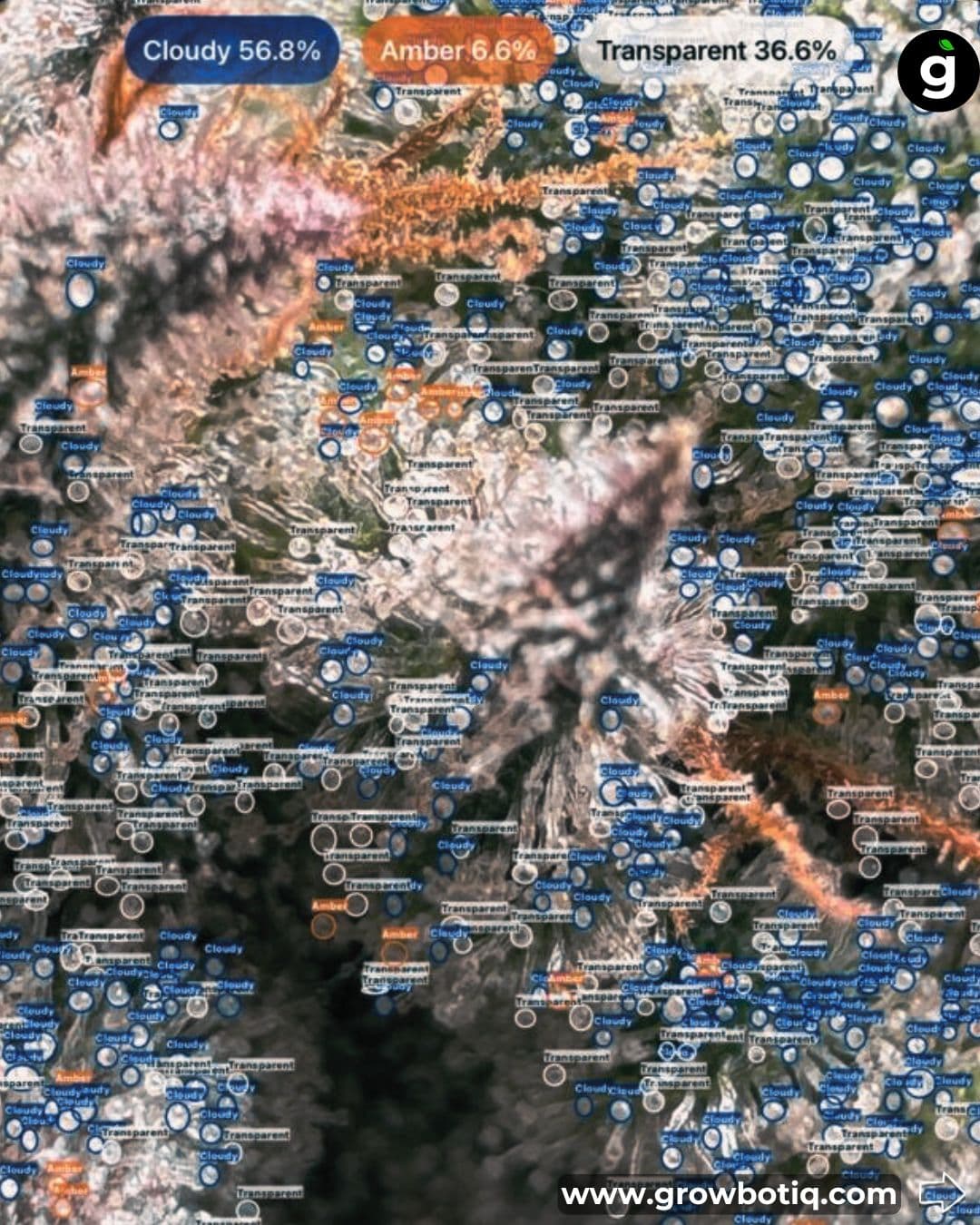
Trichomes develop from the epidermis of leaves, stems and flowers. These microscopic structures are the true powerhouses of the cannabis plant, responsible for producing and storing the compounds that make each strain unique. Understanding their genesis and function is crucial for any serious cultivator seeking to optimize their harvest.
Trichome Classification
Trichomes are classified into two major types based on their structure and function:
Non-glandular Trichomes
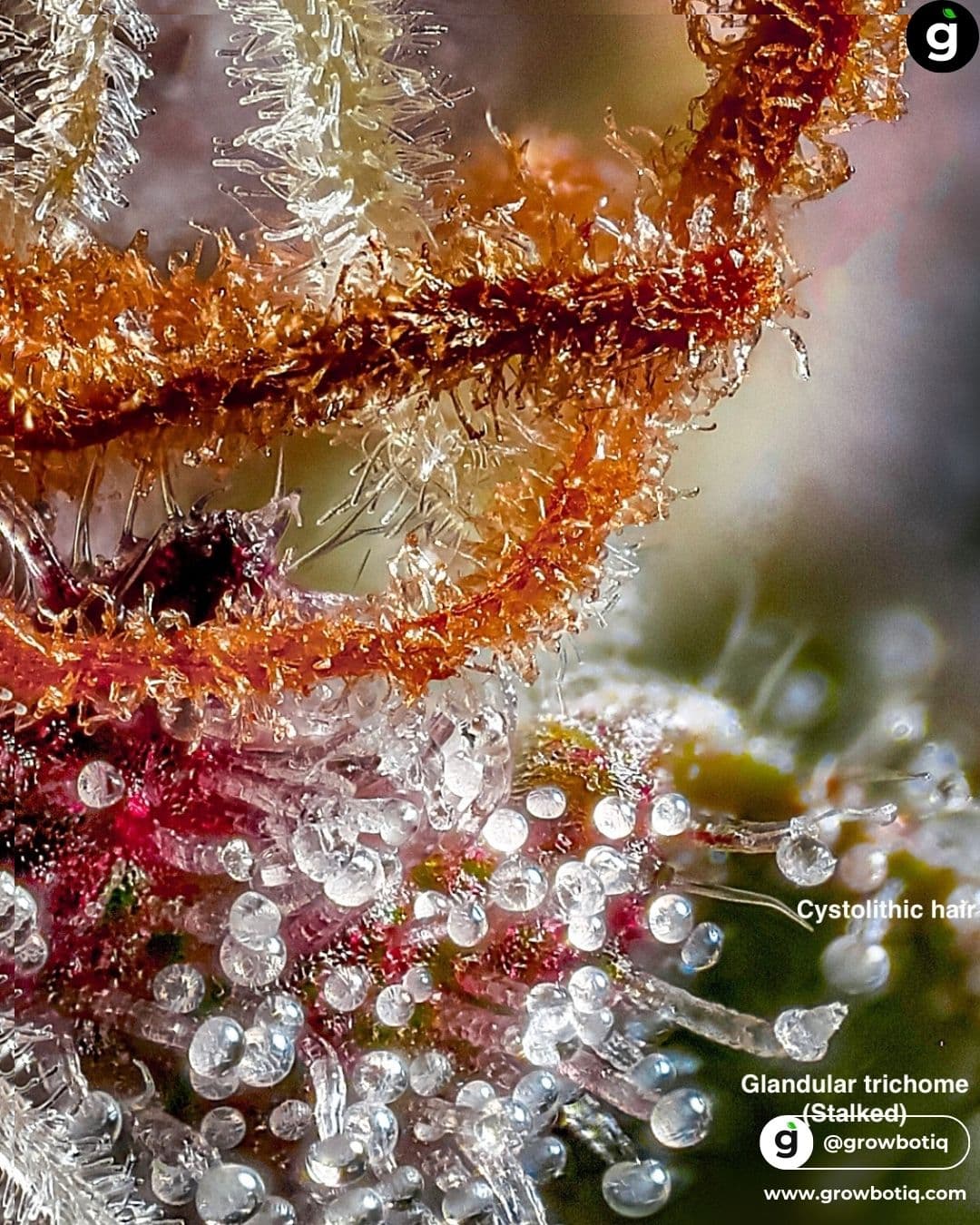
Non-secretory trichomes, also known as cystolithic hairs, are unicellular, claw-like structures measuring 100-500 μm in length. These defensive structures contain mainly calcium carbonate and sometimes silica, serving as the plant's first line of defense against environmental threats.
Glandular Trichomes (Secretory)
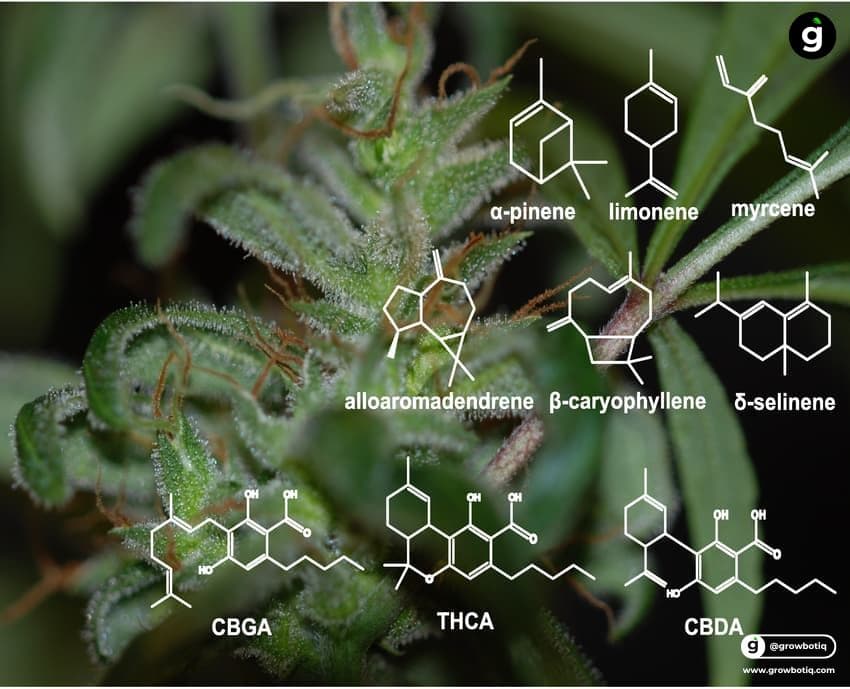
Glandular trichomes are the true chemical factories of the cannabis plant, producing and storing cannabinoids, terpenes, flavonoids, and esters. They come in three distinct types:
Bulbous Trichomes
The smallest type of glandular trichome, featuring a head diameter of approximately 10-20μm. These microscopic structures are found throughout the plant surface.
Sessile Trichomes
Characterized by their short stalk and 8 secretory cells, sessile trichomes have a head diameter ranging from 25-100μm. They serve as intermediate producers of secondary metabolites.
Stalked Trichomes
The most abundant and active type, featuring long stalks with 12-16 secretory cells. Their head diameter ranges from 70-160μm, making them the primary cannabinoid and terpene producers.
Natural Plant Defense
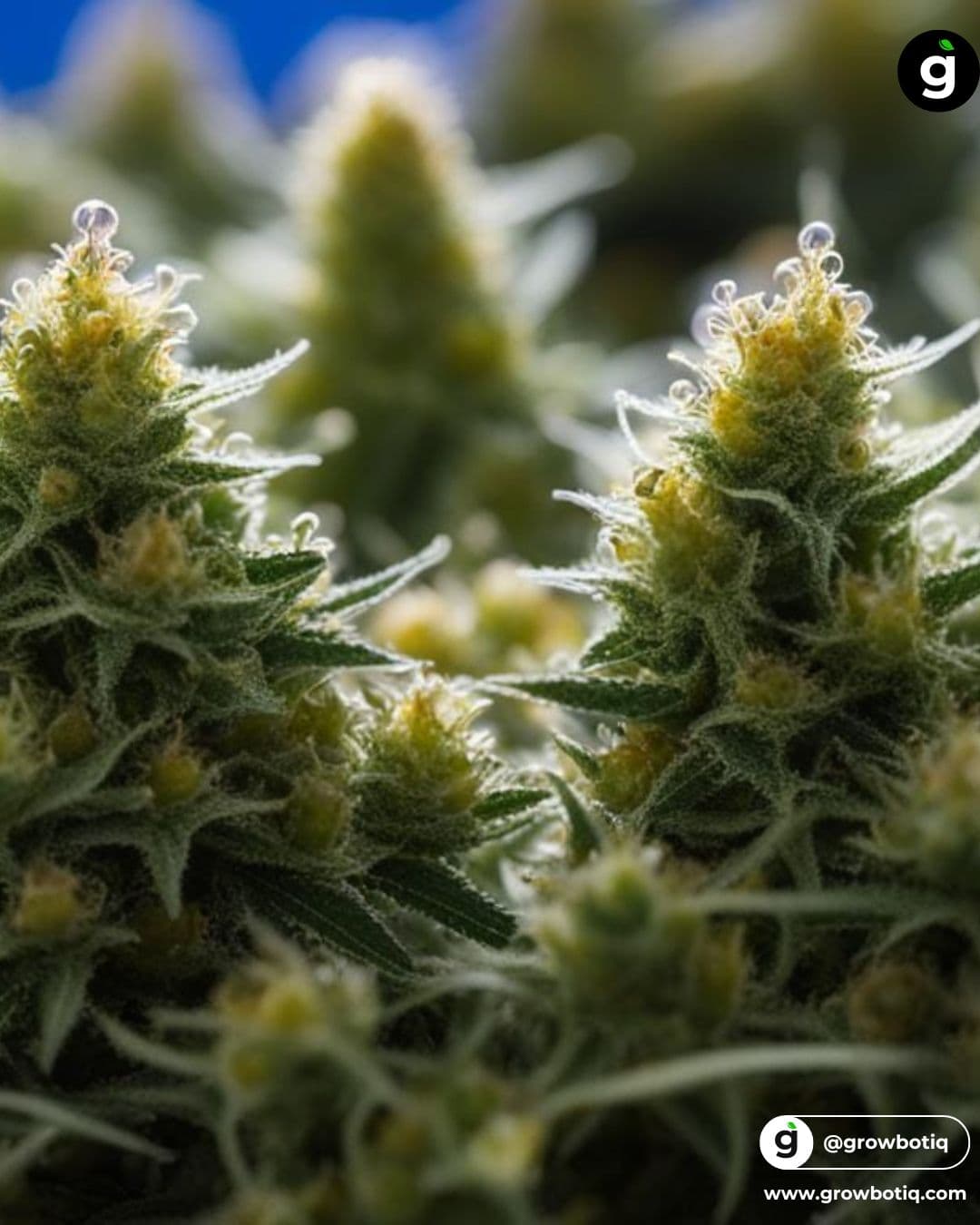
Trichomes serve multiple defensive functions that have evolved over millions of years to protect the cannabis plant from various environmental threats:
- UV Protection: Trichomes act as natural sunscreens, protecting the developing seed DNA from harmful UV radiation damage through their reflective and absorptive properties.
- Insect Deterrent: Cannabinoids and terpenes work synergistically to repel insects. The ratio of monoterpenes to sesquiterpenes affects resin viscosity, while cannabinoids provide toxic compounds that discourage herbivory.
- Antimicrobial Activity: Research has shown that all 5 major cannabinoids and their acid precursors demonstrate significant antimicrobial activity against various pathogens.
🧪 Secondary Metabolite Production
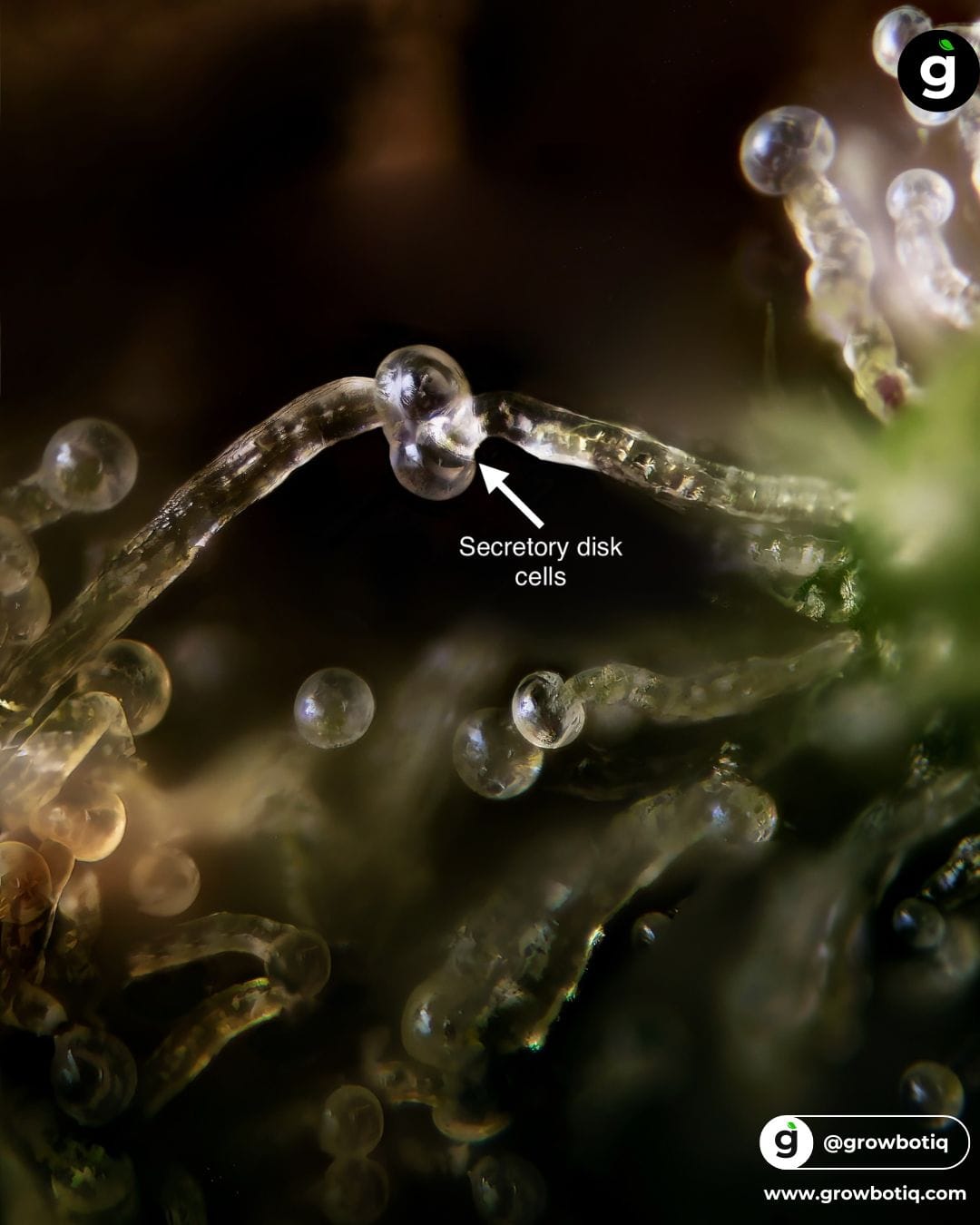
Secondary metabolites including cannabinoids, terpenes, flavonoids and esters, are produced by secretory disk cells at the base of the glandular trichome head and then stored in the subcuticular cavity. This specialized storage system allows the plant to concentrate these valuable compounds in protected spaces until they are needed.
Environmental Influence
The production and composition of trichome-stored compounds vary widely based on both genetic and environmental factors:
💡 Light Quality & Intensity
UV-B radiation and full-spectrum lighting significantly influence cannabinoid and terpene production, with specific wavelengths triggering increased trichome development.
🌡️ Climate Control
Temperature and humidity fluctuations affect resin production and composition. Optimal conditions maximize both trichome density and compound concentration.
🪴 Substrate & Nutrition
Growing medium and nutrient availability directly impact the plant's ability to produce complex secondary metabolites within trichome structures.
🐞 Biotic Factors
Plant stress responses, beneficial microorganisms, and pest pressure all influence trichome development and chemical production patterns.
🌿 Continue with another article: Flavonoids (Part 2)
Discover the diverse group of cannabis flavonoids, their biological roles, and unique compounds like cannflavins A, B, and C. Dive deeper into plant secondary metabolites and their impact on aroma, color, and therapeutic properties.
Read Part 2References
- Glandular trichome development, morphology, and maturation are influenced by plant age and genotype in high THC-containing cannabis (Cannabis sativa L.) inflorescences
- Characterization of trichome phenotypes to assess maturation and flower development in Cannabis sativa L. (cannabis) by automatic trichome gland analysis