
GrowBotiq Lab
Available Soon on the App Store
Available Soon on the App Store
Want early access? Request beta invite
Flavonoids – non-cannabinoid secondary metabolites
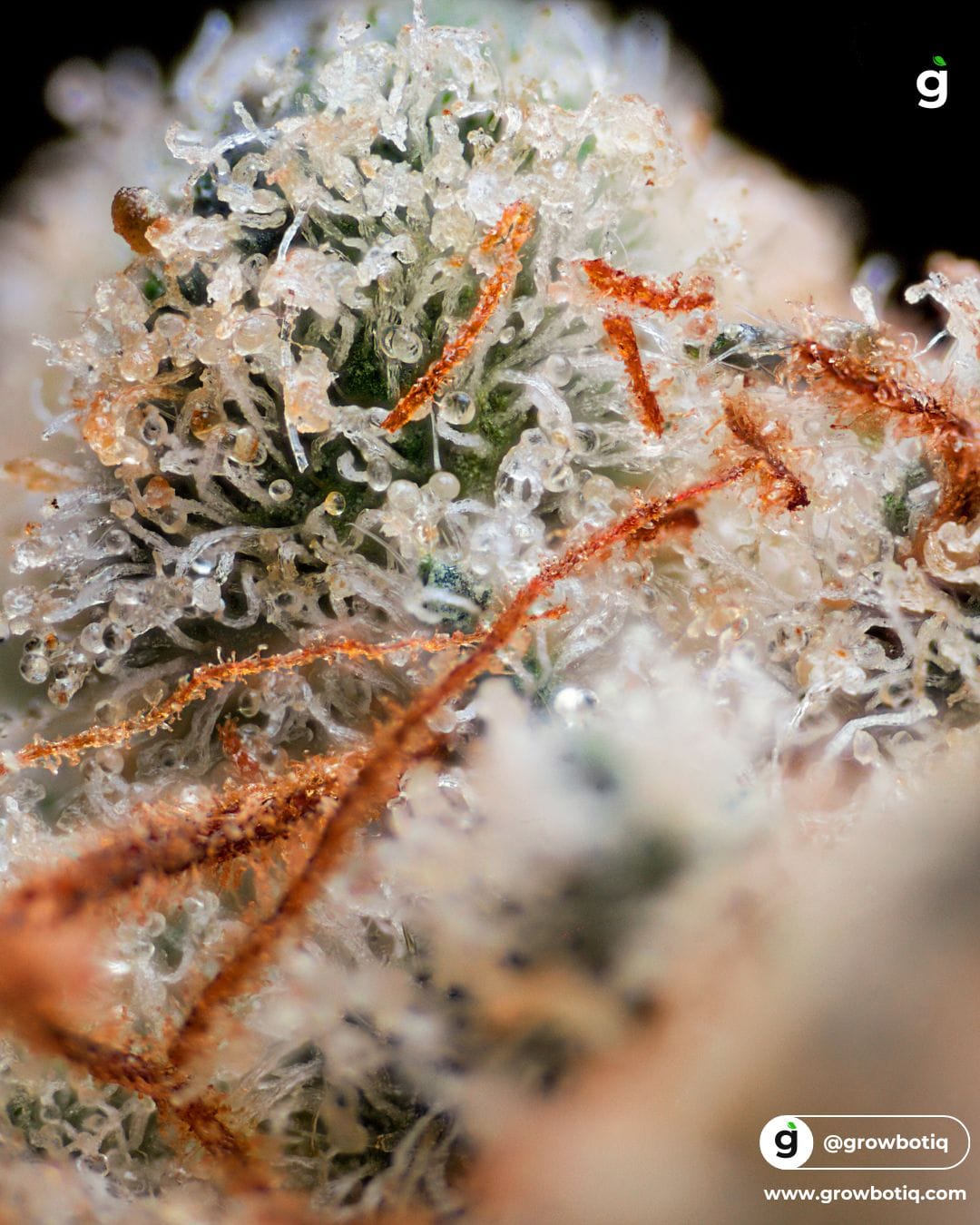
Non-phytocannabinoid constituents of Cannabis sativa represent a rapidly expanding area of research with significant potential. Future investigations should focus on how the metabolism of flavonoids and other compounds responds to biotic and abiotic stresses. Such studies may identify key regulatory elements like transcription factors and microRNAs to enhance biosynthesis and accumulation of these valuable compounds.
These compounds are generally divided into: Flavonoids (polyphenolic compounds), Other non-cannabinoid phenols, Terpenes, Alkaloids, Esters.
Flavonoids are a large and diverse group of plant secondary metabolites that belong to the polyphenol class. They include flavonols, flavones, flavanones, flavanols, isoflavones, and anthocyanidins. These compounds play roles in antioxidant activity, pigmentation, UV protection, and symbiotic interactions.
Unique prenylated or geranylated flavones in Cannabis sativa. Cannflavins A and B have anti-inflammatory activity up to 30 times stronger than aspirin in certain models.
A common flavone with potent antioxidant and anti-anxiety properties, often found in the flowers and leaves.
Flavonol with strong antioxidant properties, contributing to photoprotection and the modulation of various plant defense mechanisms.
Flavonoids in Cannabis sativa contribute to antioxidant defense, UV protection, pest deterrence, and coloration. Emerging research highlights their potential in therapeutic applications including anti-inflammatory, neuroprotective, and anticancer effects.
Flavonoid biosynthesis is highly influenced by environmental conditions such as light exposure, temperature, and nutrient availability, as well as by genetic factors inherent to specific cannabis strains.
UV-B and visible light can significantly upregulate flavonoid synthesis, contributing to the plant's natural photoprotection mechanisms.
Stress conditions can modulate flavonoid content, affecting antioxidant capacity and coloration of flowers and leaves.
Different cannabis cultivars show substantial variability in flavonoid composition and concentration.
Explore the aromatic compounds of cannabis, their biosynthesis, ecological functions, and their impact on flavor, aroma, and therapeutic potential.
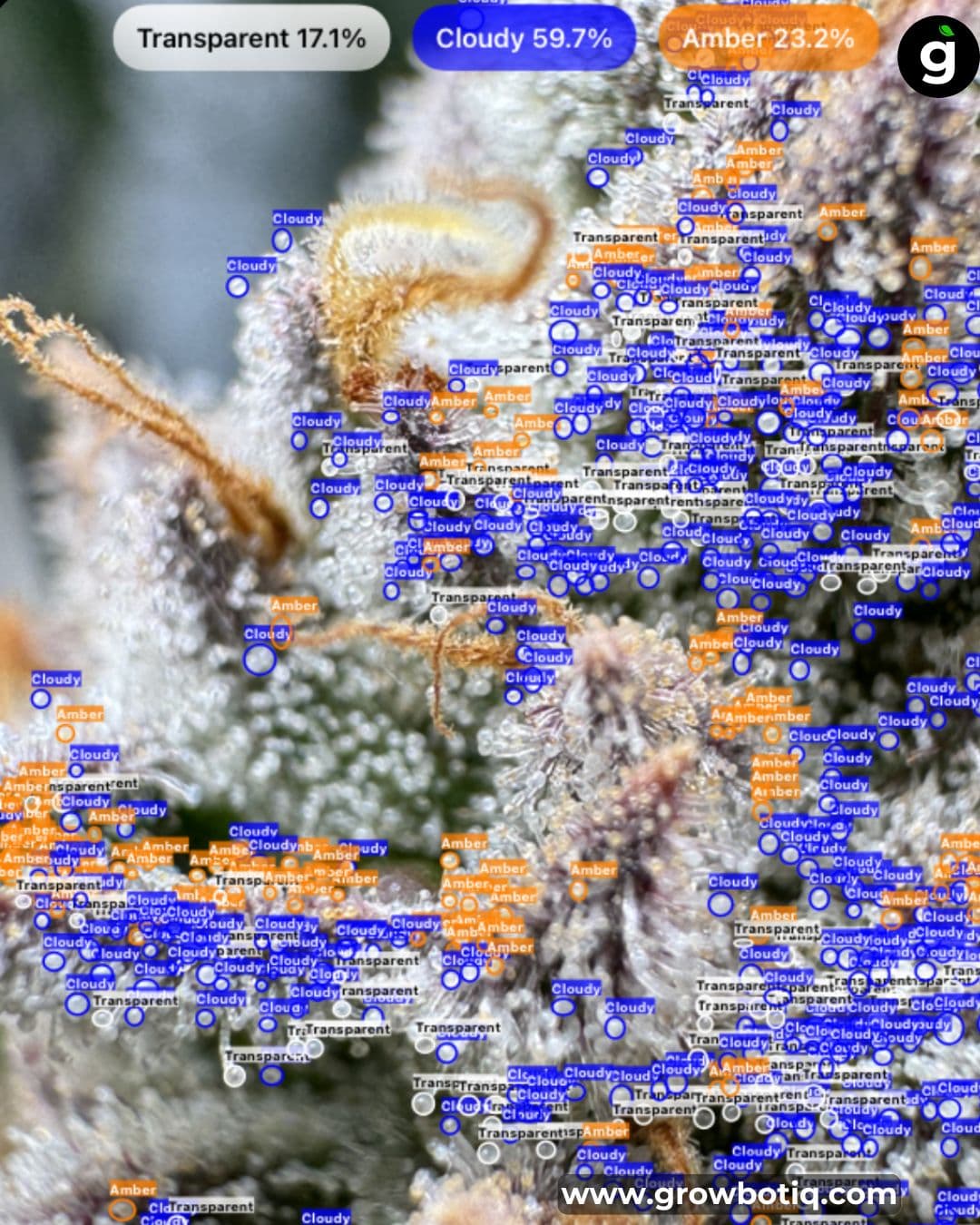
Read Part 3Learn about the types of trichomes and their role in cannabinoid and terpene production.
Read Article