

Terpenes · Trichomes
Scientific Research
Phytochemistry of Cannabis Sativa Part 3
Terpenes – Aromatic and Bioactive Secondary Metabolites
September 2025
10 min read
Cannabis Science
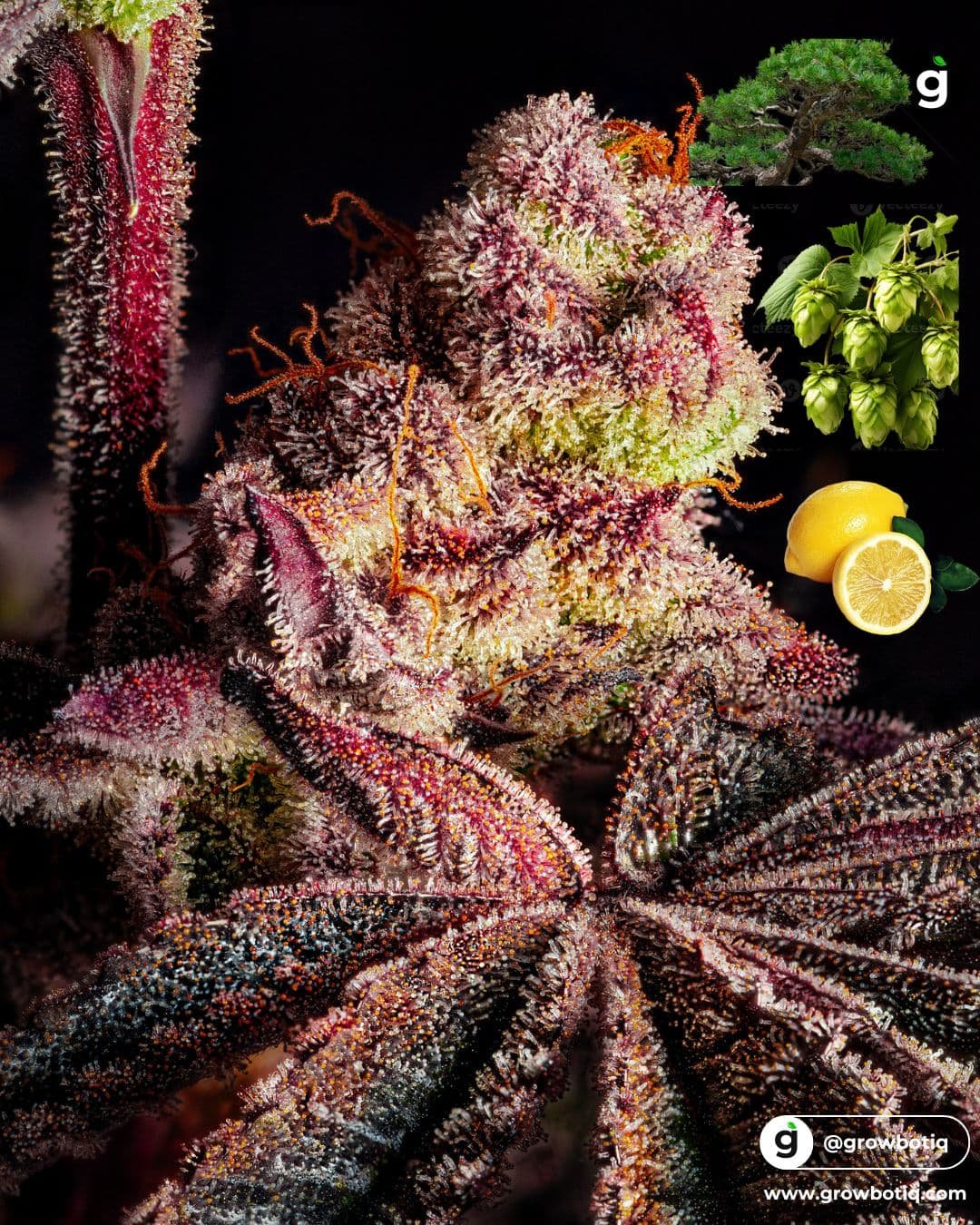
Terpenes are key contributors to the characteristic aromas and fragrances of plants. In Cannabis, terpene yield and composition are shaped by genetics, environmental factors, plant maturity, and extraction methods. Alongside cannabinoids, terpenes function as important chemotaxonomic markers and can synergize with cannabinoids, enhancing effects like relaxation, stress relief, energy, and focus (Entourage effect). These effects are typically observed only when terpene concentrations exceed 0.05% (w/v) in full-spectrum extracts.
Biochemistry of Terpenes
Terpenes are natural compounds composed of repeating isoprene units [(C5H8)n], while terpenoids include additional functional groups such as alcohols (e.g., linalool) or ketones (e.g., camphor). Biosynthesis occurs via plastidial MEP and cytosolic MEV pathways. Cannabis terpenes are categorized into five main classes based on carbon skeleton:
Monoterpenes (C10)
61 compounds identified, including D-limonene, β-myrcene, α- & β-pinene, terpinolene, and linalool. Mainly volatile, abundant in flowers and leaves.
Sesquiterpenes (C15)
51 compounds, including β-caryophyllene, farnesene, α-humulene. Contribute to anti-inflammatory and analgesic effects.
Diterpenes (C20)
2 compounds identified; less abundant, present in various tissues.
Triterpenes (C30)
2 compounds, found in roots, fibers, and hempseed oil. Examples: friedelin, epifriedelanol, β-amyrin, cycloartenol, dammaradienol.
Miscellaneous Terpenes
4 compounds that do not fit the main categories.
Physiological Effects
🍋 D-Limonene
Elevates serotonin and dopamine; anxiolytic, anti-stress, sedative effects.
🌲 α- & β-Pinene
Antiseptic, bronchodilator; enhances memory via acetylcholinesterase inhibition; mitigates THC-related cognitive impairment.
🛋️ β-Myrcene
Enhances analgesic effects of THC/CBD; high concentrations induce sedative “couch-lock”, low concentrations increase energy.
🌶️ β-Caryophyllene
CB2 receptor agonist; anti-inflammatory, analgesic, neuroprotective, antifungal, gastroprotective, antioxidant, anxiolytic.
Terpene Extraction Methods
Multiple techniques are used to isolate terpenes from Cannabis, each affecting yield and profile differently:
Hydrodistillation
Essential oils obtained via water distillation of trichomes; most terpenes intact, but some monoterpenes may degrade due to heat.
Steam Distillation
Steam passes through inflorescences, volatiles condense; cost-effective but may reduce light terpene yield.
Microwave-Assisted Extraction (MAE)
Increases bioactive compound yield, especially CBD, when using high power and longer extraction times.
Solvent Extraction (BHO)
Commercial method using butane; effective but requires solvent removal to ensure purity.
Supercritical CO₂ Extraction (SFE)
Operates at lower temperatures, preserves volatile terpenes, avoids organic solvents; increasingly favored for quality products.
Rosin Extraction
Solvent-less; preserves more terpenes than many methods but highly volatile monoterpenes may still be lost.
🔬 Scientific Insight
Extraction method significantly affects aromatic and pharmacological profile. Supercritical CO₂ preserves delicate monoterpenes; hydrodistillation may degrade light terpenes; MAE enhances CBD yield; rosin retains most terpenes but can lose highly volatile compounds.
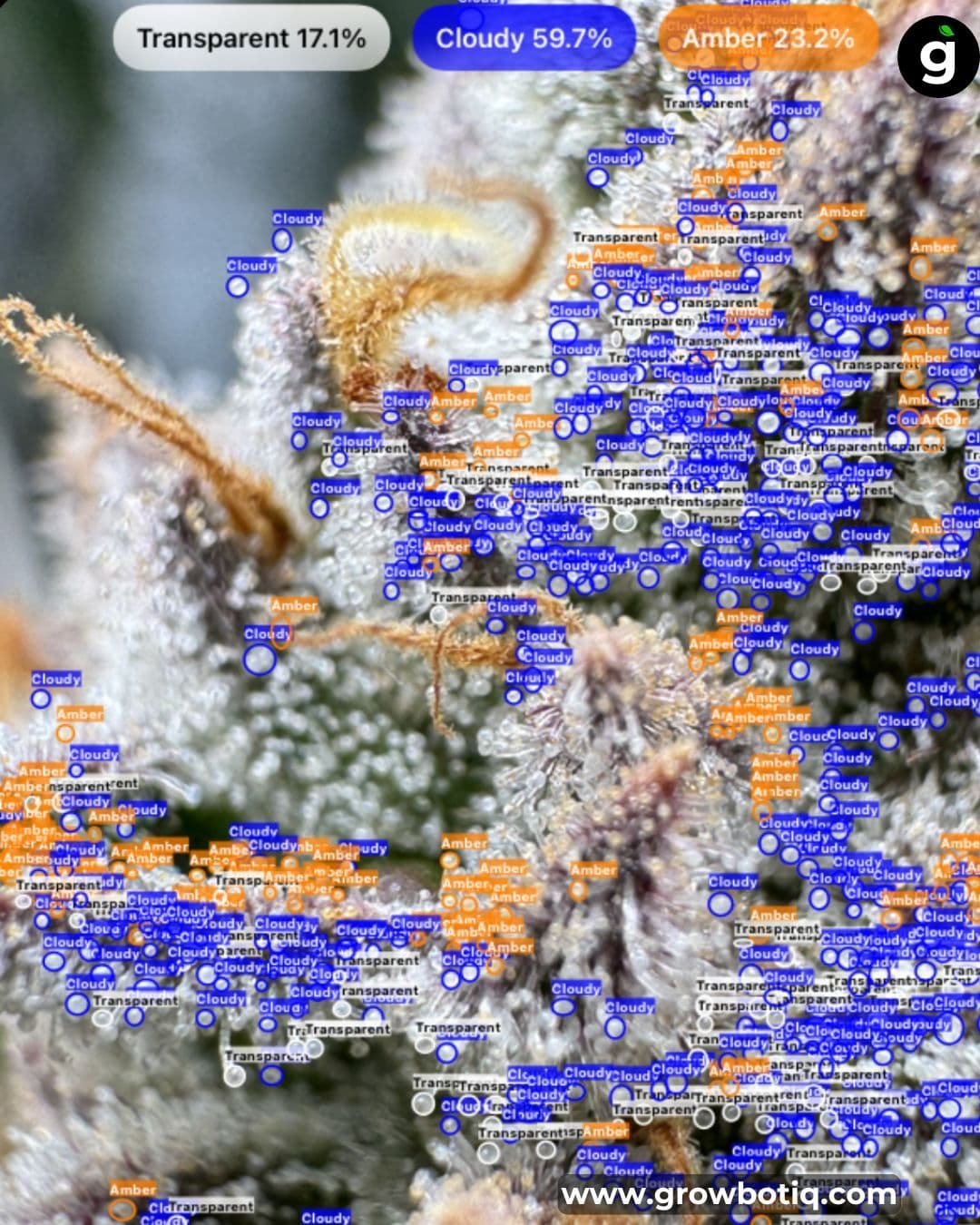
✨ Discover Trichomes
Learn about the different types of trichomes and their role in cannabinoid and terpene production.
🌿 Part 2: Flavonoids
If you missed it, catch up on Part 2 of this series to explore more about Cannabis Flavonoids.
References
-
Glandular trichome development, morphology, and maturation are influenced by plant age and genotype in high THC-containing cannabis (Cannabis sativa L.) inflorescences
-
Characterization of flavonoid profiles and biosynthesis in Cannabis sativa L.