

Harvest Timing · Trichomes
Pistils vs Trichomes: Which Harvest Sign Should You Trust?
What each sign really tells you, why pistils can mislead, and how to use both together to time the chop.
3 min read
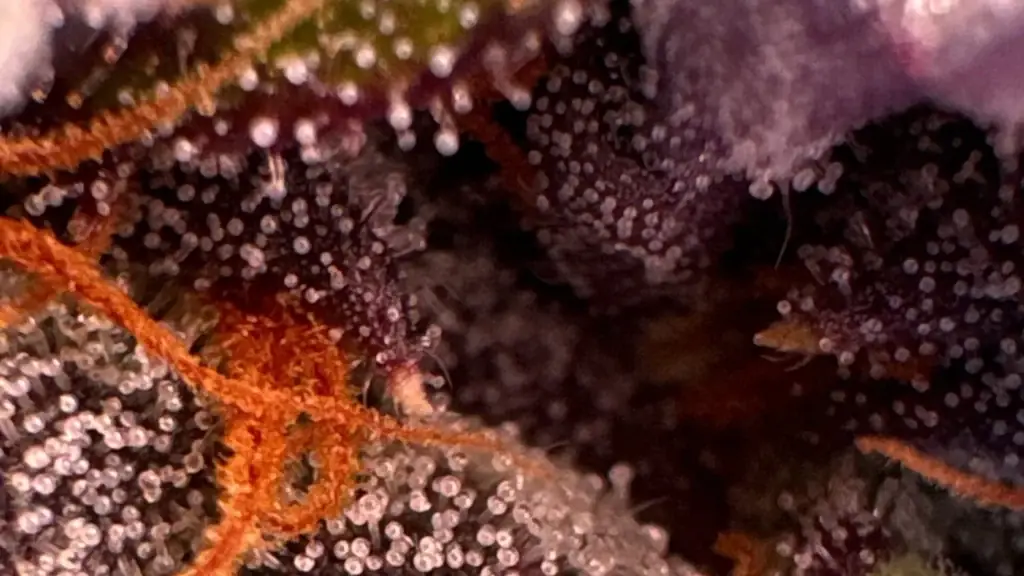
There are two things growers look at to decide when to harvest: the hairs on the bud and the resin glands on it. The hairs are easy to see from a metre away. The glands need a loupe. Unsurprisingly, a lot of people go by the hairs. That is usually a mistake.
What pistils are
Pistils are the hair-like stigmas that stick out of each calyx. Their job is to catch pollen. In a seedless crop they never get it, so over flowering they slowly turn from white to orange, red or brown, and curl back towards the bud.
That change does track maturity in a loose way. The problem is that pistils also change colour for reasons that have nothing to do with ripeness: touching them, heat, low humidity, light stress, or a burst of new growth that adds fresh white ones.
What trichomes are
Trichomes are the resin glands. The large stalked ones on the calyxes are where THCA and most terpenes are produced.[1] Their heads go from clear to cloudy to amber as they mature and age, and researchers studying them describe this as a possible marker for harvest timing.[2] In short: the trichomes are the part you are actually harvesting.
| Pistils | Trichomes | |
|---|---|---|
| What they are | Hairs that catch pollen | Resin glands that make THCA and terpenes |
| What changes | White → orange/brown, curling in | Clear → cloudy → amber |
| Also affected by | Touch, heat, humidity, light stress | Mostly the age of the head |
| Use them for | Knowing when to start checking | Deciding when to chop |
Why pistils mislead
- Stress turns them early. A hot week or a heavy defoliation can brown pistils across the plant without the buds being any closer to done.
- Handling turns them. Pistils you touch to check the bud often go brown in a day.
- New growth resets them. Foxtailing or reflowering adds bright white pistils on top of mature buds, making a ripe plant look unfinished.
- Strains differ. Some keep white pistils right to the end; others go orange weeks early.
How to use both together
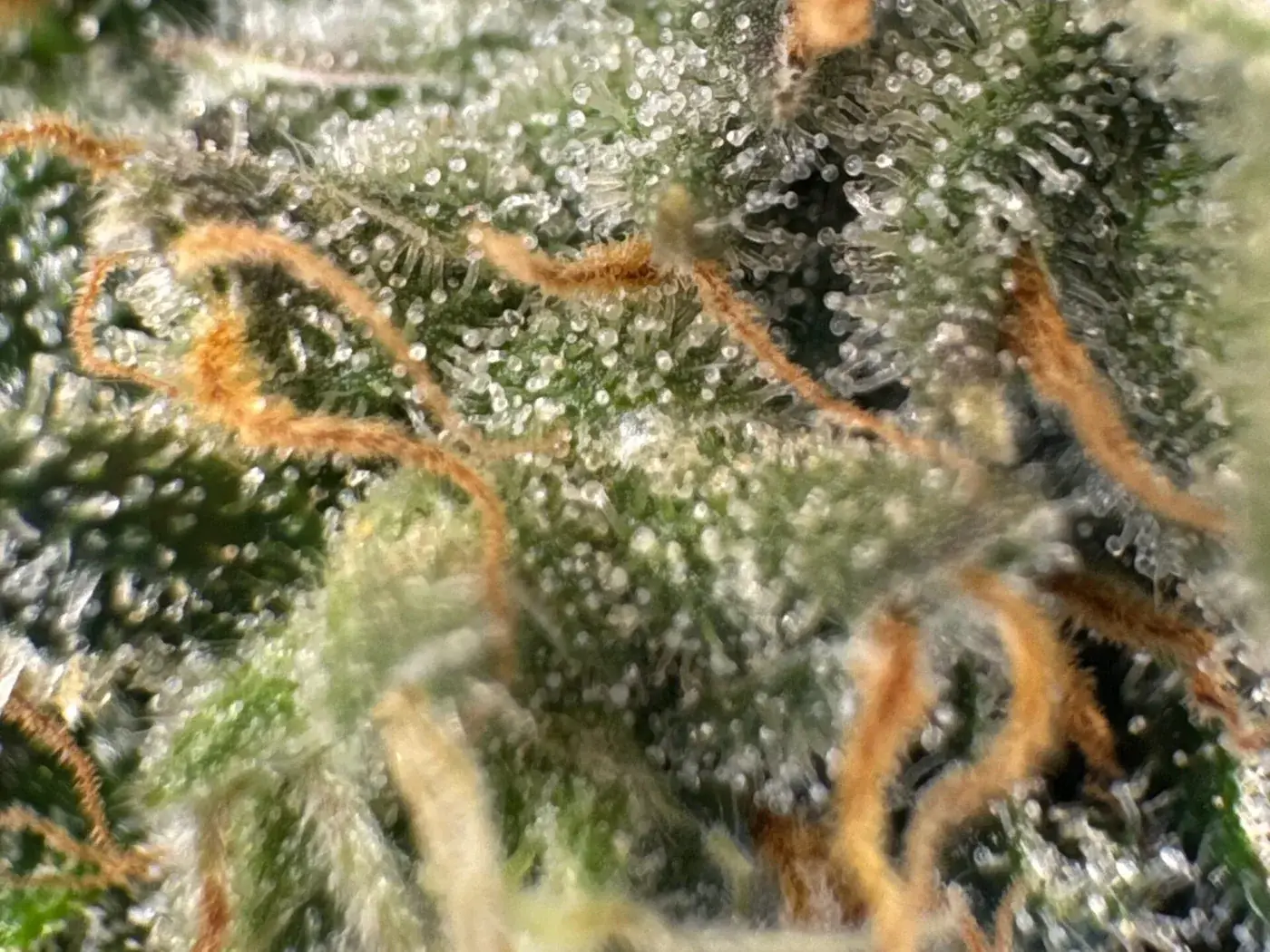
- Pistils as an alarm clock. When most pistils have darkened and curled in, start checking trichomes every two to three days.
- Trichomes for the decision. Look at the calyxes on top, middle and bottom buds and estimate the clear, cloudy and amber split. Our trichome chart shows each stage.
- When they disagree, trust the trichomes. White pistils with cloudy and amber heads: you are probably looking at new growth. Brown pistils with clear heads: probably stress, not ripeness.
Other signs worth noticing
- Calyx swelling: calyxes plump up noticeably in the last weeks.
- Leaf fade: fan leaves yellowing late in flower is normal as the plant moves resources.
- Smell: the aroma usually peaks near maturity.
None of these replace looking at the resin. If you want a record instead of a feeling, take a macro photo every few days and track the ratio; GrowBotiq Lab does the counting and keeps the history per plant. For the details of the ratio itself, read cloudy vs amber trichomes.
References
- Livingston, S. J., et al. (2020). Cannabis glandular trichomes alter morphology and metabolite content during flower maturation. The Plant Journal, 101(1), 37–56. doi:10.1111/tpj.14516
- Punja, Z. K., Sutton, D. B., & Kim, T. (2023). Glandular trichome development, morphology, and maturation are influenced by plant age and genotype in high THC-containing cannabis (Cannabis sativa L.) inflorescences. Journal of Cannabis Research, 5, 12. doi:10.1186/s42238-023-00178-9