

Harvest Timing · Trichomes
Does Amber Mean More CBN? THC, CBN and Trichome Colour
Amber gets blamed for CBN and couch-lock. What really happens to THC as heads age, and how much CBN is actually in fresh bud.
3 min read
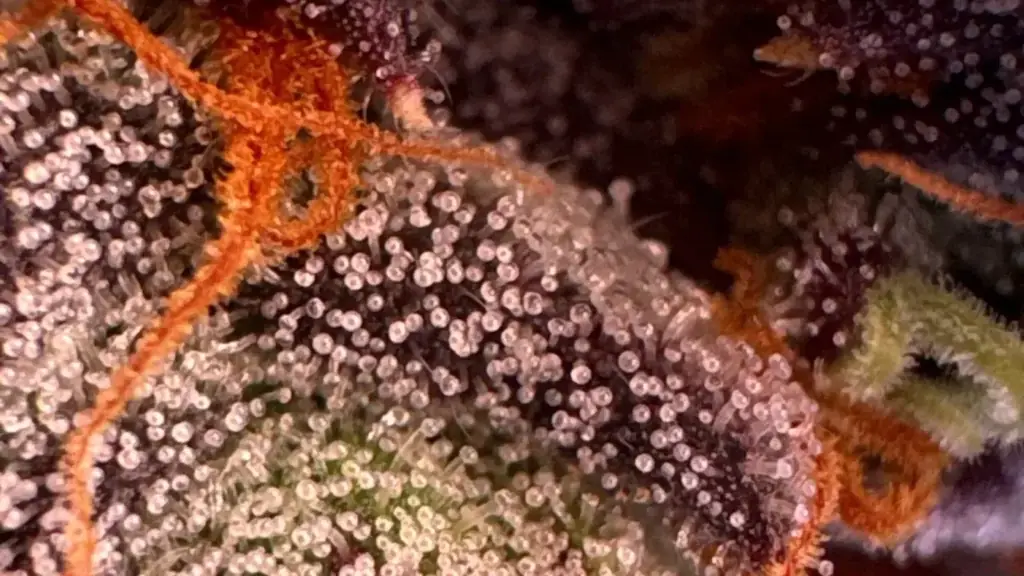
Ask why a late, amber-heavy harvest feels heavier and most growers will say one word: CBN. The story goes that as trichomes turn amber, THC converts to CBN, and CBN is the sedating one. It is a tidy story. It is also mostly wrong, at least in the amounts people imagine.
Here is what the colour change actually tells you, and where CBN really comes from.
What amber is
A trichome head goes from clear to cloudy to amber as it matures and then ages. Cloudy is the stage linked to peak cannabinoid content; amber heads are older heads whose resin is starting to break down. In studies that followed heads through flowering, a large share had turned brown by around week 8, together with signs of the glands ageing and collapsing.[1]
So amber is a sign of over-maturity, not a sign of a new compound flooding in. For the full colour guide, see our trichome chart and cloudy vs amber trichomes.
Where CBN actually comes from
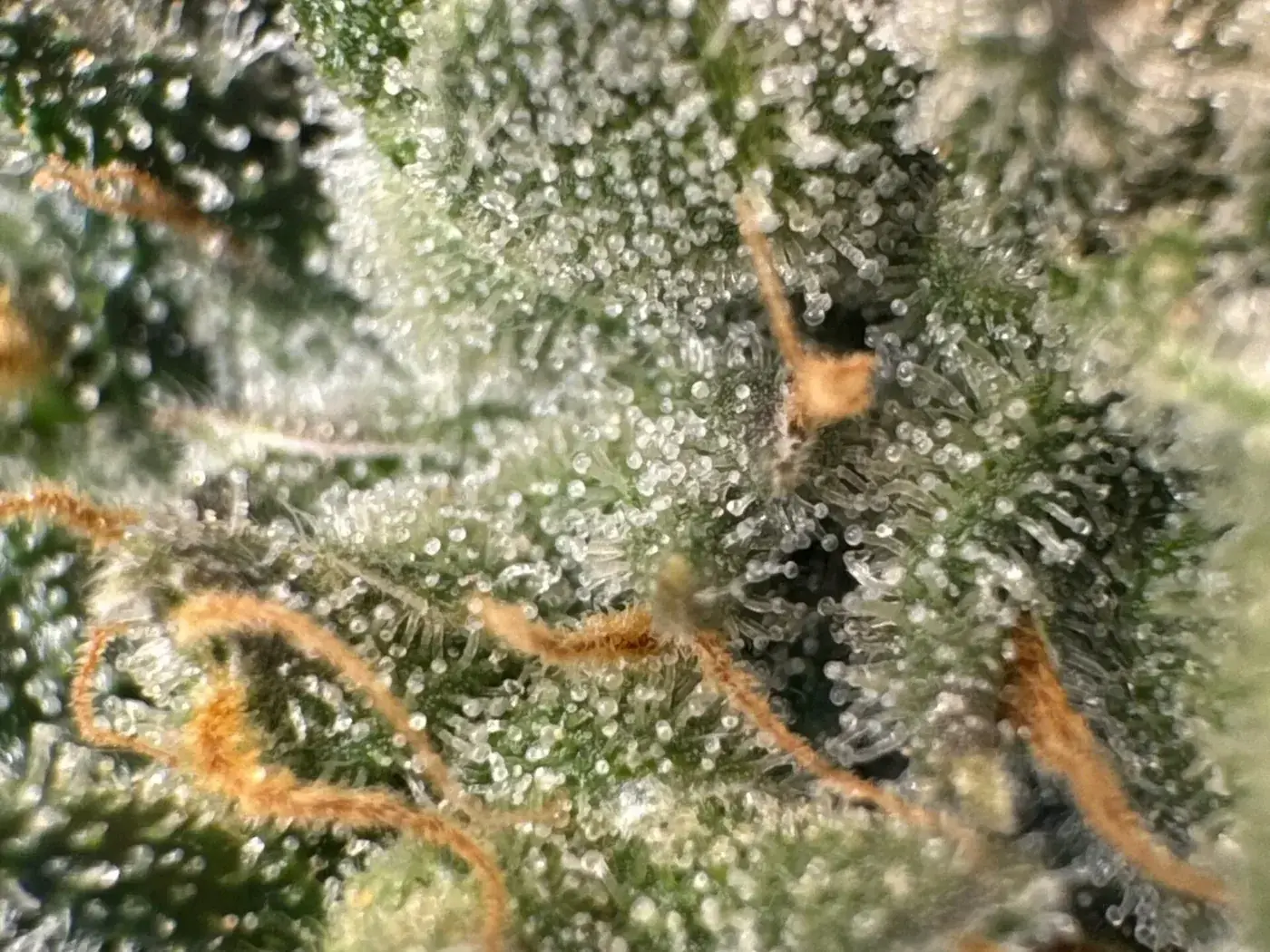
CBN (cannabinol) forms when THC breaks down — through oxidation, driven by time, heat, light and air. The key word is breaks down: CBN is a degradation product, and most of it appears after harvest, during drying and especially long storage, not on the living plant.
A four-year study on stored cannabis makes the scale clear. Under the harsher storage conditions tested, THC dropped by half in about 700 days, and only about a third of the lost THC turned into CBN.[2] That is over years, in the jar, not over the last few days on the plant.
On a living plant, a few extra days of amber shifts the numbers only a little. Fresh flower, even amber-heavy fresh flower, is typically very low in CBN.
So why does a late harvest feel heavier?
The heavier, more sedating feel of an amber-heavy harvest is real for many people. It is just not a big CBN story. Two things matter more:
- Terpenes change. The light, bright terpenes are the most volatile and fade first as the plant ages. What is left leans heavier and more sedating.
- THC itself is past its peak. A late harvest often has slightly less THC than it would have at cloudy, which shifts the overall balance.
In other words, “amber = couch-lock” is better read as “amber = older resin and faded terpenes,” not “amber = a jar full of CBN.”
What this means for your harvest
- Chase an effect, not CBN. If you want a heavier result, harvest later with more amber. You get there through maturity and terpene shift, not CBN.
- Don’t wait for amber to “make CBN.” It won’t, in any meaningful amount, on the plant. You just lose THC and freshness.
- Protect what you harvested. If you want to keep potency, the enemy is storage: cool, dark and airtight slows the slide to CBN. See how to dry and cure cannabis.
The decision still comes down to the ratio of clear, cloudy and amber on the calyxes, read over several days. GrowBotiq Lab counts that ratio from a phone photo and keeps the trend per plant, so you pick the stage you want on purpose. To read it yourself, start with pistils vs trichomes.
Quick answers
Do amber trichomes mean high CBN?
No. Fresh flower is low in CBN regardless of amber. CBN builds up mostly after harvest, over months of storage, as THC degrades.
Does waiting for amber increase CBN?
Only very slightly on the plant. If you want more CBN, that comes from age in storage, not from a few more days of flowering.
Is amber weed stronger?
Usually a bit less potent in THC, but heavier in feel because of terpene changes. “Stronger” depends on what you mean.
References
- Punja, Z. K., Sutton, D. B., & Kim, T. (2023). Glandular trichome development, morphology, and maturation are influenced by plant age and genotype in high THC-containing cannabis (Cannabis sativa L.) inflorescences. Journal of Cannabis Research, 5, 12. doi:10.1186/s42238-023-00178-9
- Zamengo, L., et al. (2019). The role of time and storage conditions on the composition of hashish and marijuana samples: a four-year study. Forensic Science International, 298, 131–137. doi:10.1016/j.forsciint.2019.02.058