

Terpenes
How to Dry and Cure Cannabis Without Losing Terpenes
Temperatures, humidity, jar curing and the water activity range for storage, with the research behind them.
3 min read
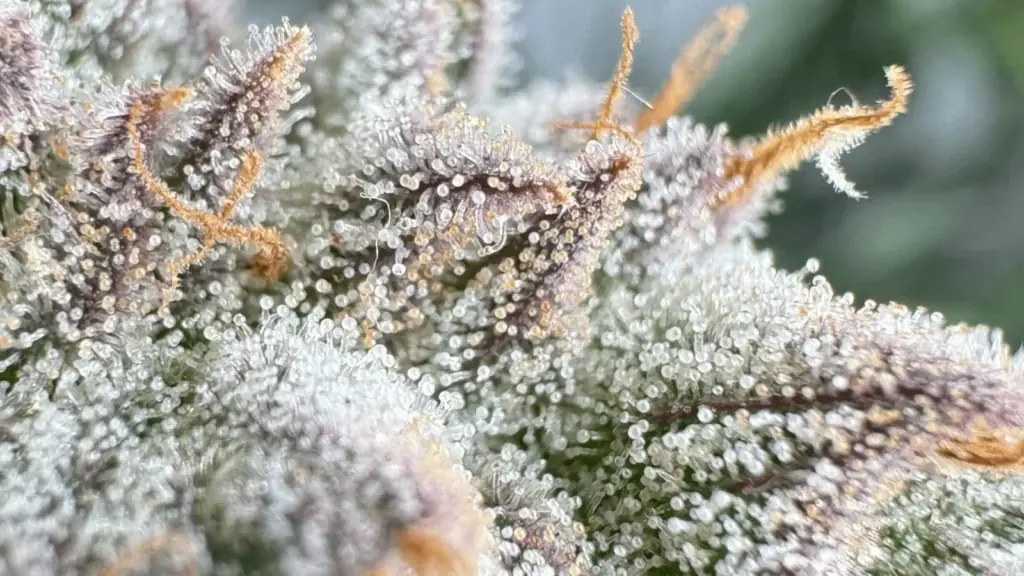
You timed the harvest on the trichomes, you chopped at the ratio you wanted. Now the job changes: everything that happens next can only keep or lose what the plant made. Drying and curing are where a lot of aroma quietly disappears.
| Step | How long | Target |
|---|---|---|
| Dry | 7–14 days | Dark, 15–21 °C, 55–65% RH, gentle airflow |
| Cure | 2–4+ weeks | Airtight jars, about 58–62% RH inside |
| Store | Months | Water activity 0.55–0.65, cool and dark |
Why slow drying matters
Terpenes are volatile: they evaporate. Heat speeds that up. In a 2020 study on hemp flowers, hot-air drying at 50 °C kept about 76% of the aroma compounds, while the gentlest method tested kept about 85%.[1] Another study comparing fresh and air-dried buds found that, in a high-THC chemotype, drying shifted the oil towards sesquiterpenes and sharply reduced terpinolene, a light monoterpene.[2]
The takeaway for a home grower is simple: no heat, no rush. A slow, cool dry keeps more of the smell you grew.
Drying: the basics
- Dark: light degrades cannabinoids. Dry in a dark room or tent.
- Cool: about 15–21 °C is the range most growers aim for.
- Humidity around 55–65%: dry enough to avoid mould, humid enough not to crisp the outside before the inside is dry.
- Gentle airflow: air should move around the plants, not blow on them.
- Time: usually 7–14 days. Small stems should snap rather than bend when it is done.
Hanging whole plants or large branches dries more slowly and evenly than single buds on a rack. Dense buds from an outdoor harvest need extra space and airflow; that is where drying-room mould starts. See outdoor harvest and bud rot.
Curing: finishing the job
When the stems snap, trim the buds and put them in airtight glass jars, filled about three quarters full.
- First week: open the jars once or twice a day for a few minutes to let moisture escape.
- If the buds feel damp after a few hours in the jar, take them out to dry a bit more.
- After the first week: open every few days.
- Two to four weeks is a typical cure; many growers go longer.
A small hygrometer inside the jar helps a lot. Most growers aim for about 58–62% relative humidity inside.
Storage: the number that matters
For dry cannabis flower, ASTM International has a standard specification for water activity, a measure of how available the water in the material is. It sets an acceptable range of 0.55 to 0.65: the top limit helps prevent mould, the bottom limit keeps the flower from becoming brittle.[3]
You don’t need a lab meter at home. Two-way humidity packs and a jar hygrometer reading in the high 50s to low 60s keep you close to that range.
How fast cannabis degrades in storage
A four-year study on seized samples tracked THC over time under different storage conditions. In the worst condition tested, THC dropped by half in about 700 days; in the best, the loss was about 10% over four years.[4] Only about a third of the lost THC turned into CBN.
So: cool, dark, airtight. A cupboard in a cool room beats a shelf in the sun by a long way.
It all starts at harvest
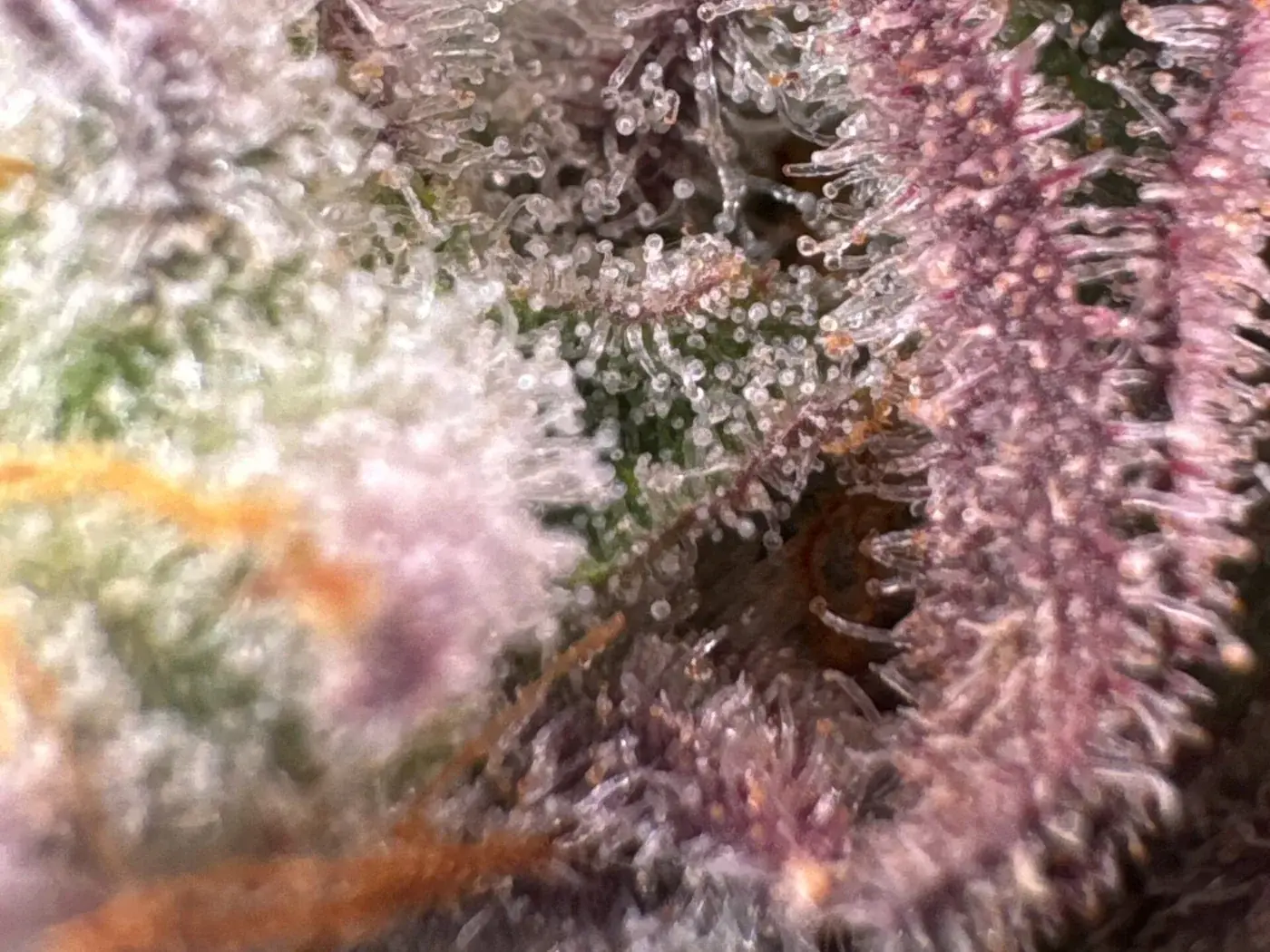
No cure fixes buds that were harvested too early. If you want the most from the drying and curing, start with the timing: our guides on cloudy vs amber trichomes and the trichome chart cover how to read the plant, and GrowBotiq Lab tracks the ratio for you from a phone photo.
References
- Kwaśnica, A., et al. (2020). Volatile composition and sensory properties as quality attributes of fresh and dried hemp flowers (Cannabis sativa L.). Foods, 9(8), 1118. doi:10.3390/foods9081118
- Wanas, A. S., et al. (2020). Chemical composition of volatile oils of fresh and air-dried buds of Cannabis chemovars, their insecticidal and repellent activities. Natural Product Communications, 15(5). doi:10.1177/1934578X20926729
- ASTM International. ASTM D8197-22, Standard Specification for Maintaining Acceptable Water Activity (aw) Range (0.55 to 0.65) for Dry Cannabis Flower Intended for Human/Animal Use. store.astm.org
- Zamengo, L., et al. (2019). The role of time and storage conditions on the composition of hashish and marijuana samples: a four-year study. Forensic Science International, 298, 131–137. doi:10.1016/j.forsciint.2019.02.058